The Electrical Cable Manufacturer!
Linoya Electronic Technology Co., Ltd. was established in 1997. After more than 20 years of development, Linoya has grown into a large enterprise group specializing in three major product fields: intelligent transmission, smart power, and new materials. Integrating R&D, manufacturing, and sales, Linoya has established a comprehensive industrial layout, including three self-owned industrial parks-Shenzhen Linoya Technology Park, Dongguan Songshan Lake Linoya Industrial Park, and Dongguan Chashan Linoya Industrial Park-as well as two production bases in Dongguan Qishi and Vietnam.
-
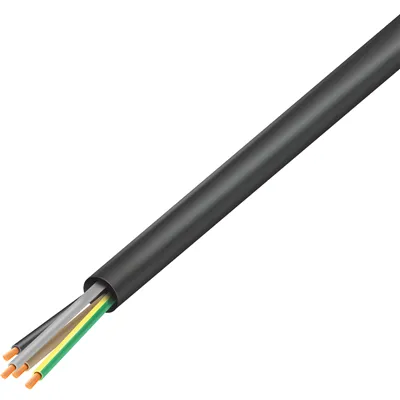
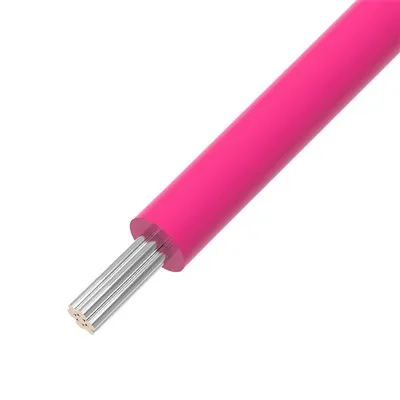
![Electrical Cable Solution]() Electrical Cable SolutionOur electrical cables provide safe and efficient power transmission for industrial, commercial, and residential applications. Designed with high-quality conductors, durable insulation, and robust...read more
Electrical Cable SolutionOur electrical cables provide safe and efficient power transmission for industrial, commercial, and residential applications. Designed with high-quality conductors, durable insulation, and robust...read more

Why choose us
High Quality
With years of expertise in the field, we specialize in the production and distribution of high-quality cables that meet stringent international standards.Our state-of-the-art manufacturing facility utilizes advanced technology and equipment to ensure precision and consistency in every product.
Our Certifications
Is a ISO 9001, ISO 14001, and ISO 45001 certified company. We are available globally with our Wires & Cables products certified to BASEC, UL, CSA, VDE, TUV Rheinland, & more and compliant to REACH and RoHS ensuring we adhere to global standards of quality and safety.
International market
Our products sell well in more than 30 countries and regions in the Middle East, Africa, South America and Southeast Asia, and we have established sales outlets in many major cities in China.
|
File Number |
Cond min |
Cond max |
Temperature (°C) |
Voltage (V) |
Insulation |
|
1007 |
32 AWG |
16 AWG |
80 |
300 (AC) |
PVC |
|
1010 |
28 AWG |
12 AWG |
105 |
300 (AC) |
PVC |
|
10168 |
30 AWG |
10 AWG |
80,90,105 |
300 (AC) |
PVC |
|
1015 |
30 AWG |
2000kcmils |
80,90,105 |
600 (AC)/750 (DC) |
PVC |
|
1028 |
22 AWG |
6 AWG |
105 |
600 (AC) |
PVC |
|
1056 |
20 AWG |
10 AWG |
105 |
600 (AC) |
PVC |
|
1095 |
30 AWG |
16 AWG |
80 |
300 (AC) |
PVC |
|
1284 |
8 AWG |
1000 kcmil |
105 |
600 (AC) |
PVC |
|
1316 |
26 AWG |
12 AWG |
90 |
600 (AC) |
PVC |
|
1452 |
26 AWG |
12 AWG |
90 |
1000 (AC) |
PVC |
|
1500 |
26 AWG |
9 AWG |
105 |
600 (AC) |
PVC |
|
1569 |
30 AWG |
2 AWG |
80,90,105 |
300 (AC) |
PVC |
|
1674 |
30 AWG |
12 AWG |
105 |
300 (AC) |
PVC |
|
1731 |
50 AWG |
10 AWG |
105 |
300 (AC) |
PVC |
|
1792 |
40 AWG |
N/A |
80 |
30 (AC) |
PVC |
|
10198 |
30 AWG |
4/0 AWG |
105 |
300 (AC) |
PVC |
|
10269 |
30 AWG |
2000kcmil |
80,90,105 |
1000(AC)/1250(AC) |
PVC |
|
10272 |
36 AWG |
20 AWG |
80 |
150(AC) |
PVC |
|
10918 |
32 AWG |
10 AWG |
105 |
600 (AC) |
PVC |
|
10958 |
30 AWG |
10 AWG |
105 |
600 (AC) |
PVC |
|
11627 |
30 AWG |
2000 kcmil |
105 |
2000(AC)/2000(DC) |
PVC |
|
20080 |
40 AWG |
N/A |
60,80,90,105 |
30 (AC) |
PVC |
|
20288 |
18 AWG |
12 AWG |
60,75,80,90,105 |
300 (AC) |
PVC |
|
2468 |
32 AWG |
16 AWG |
80 |
300 (AC) |
PVC |
|
2651 |
36 AWG |
14 AWG |
105 |
300 (AC) |
PVC |
|
2689 |
N/A |
N/A |
60 |
30 (AC) |
PVC |
|
2877 |
40 AWG |
16 AWG |
80 |
300 (AC) |
PVC |
|
20058 |
40 AWG |
18 AWG |
60,80 |
30 (AC) |
PVC |
|
1430 |
30 AWG |
16 AWG |
105 |
300 (AC) |
XLPVC |
|
1431 |
30 AWG |
1000 kcmil |
105 |
600 (AC) |
XLPVC |
|
3443 |
32 AWG |
14 AWG |
105 |
300 (AC) |
XLPVC |
|
3443 |
32 AWG |
14 AWG |
105 |
300 (AC) |
XLPVC |
|
1061 |
30 AWG |
14 AWG |
80 |
300 (AC) |
SRPVC |
|
10071 |
36 AWG |
18 AWG |
80 |
300 (AC) |
SRPVC |
|
3071 |
18 AWG |
13 AWG |
200 |
600 (AC) |
SR |
|
3074 |
12 AWG |
12 AWG |
200 |
600 (AC) |
SR |
|
3122 |
26 AWG |
16 AWG |
200 |
300 (AC) |
SR |
|
3132 |
30 AWG |
4/0 AWG |
150 |
300 (AC) |
SR |
|
3133 |
30 AWG |
4/0 AWG |
150 |
600 (AC) |
SR |
|
3135 |
26 AWG |
12 AWG |
200 |
600 (AC) |
SR |
|
3367 |
26 AWG |
10 AWG |
200 |
300 (AC) |
SR |
|
3512 |
0.3 - 250 SQ mm |
200 |
600 (AC) |
SR |
|
|
3239 |
24 AWG |
10 AWG |
105 |
3000 (AC) |
SR |
|
1617 |
N/A |
N/A |
105 |
600 (AC) |
Labeled |
|
1618 |
N/A |
N/A |
80 |
300 (AC) |
Labeled |
|
1672 |
N/A |
N/A |
105 |
300 (AC) |
Labeled |
|
2474 |
N/A |
N/A |
105 |
600 (AC) |
Labeled |
|
2476 |
N/A |
N/A |
80 |
300 (AC) |
Labeled |
|
2598 |
N/A |
N/A |
60 |
300 (AC) |
Labeled |
|
2734 |
N/A |
N/A |
80 |
30 (AC) |
Labeled |
|
10981 |
30 AWG |
16 AWG |
80 |
300 (AC) |
MPPE-PE |
|
11027 |
40 AWG |
10 AWG |
105 |
300 (AC) |
MPPE |
|
11030 |
40 AWG |
10 AWG |
105 |
90 (AC) |
MPPE |
|
21458 |
32 AWG |
16 AWG |
80 |
300 (AC) |
MPPE-PE |
|
21515 |
36 AWG |
14 AWG |
105 |
300 |
MPPE |
|
21516 |
36 AWG |
14 AWG |
105 |
600(AC) |
MPPE |
|
10255 |
36 AWG |
N/A |
60,80 |
30 (AC) |
TPE |
|
10439 |
32 AWG |
16 AWG |
80 |
300 (AC) |
TPE |
|
1631 |
40 AWG |
N/A |
60,80 |
30 (AC) |
PE |
|
1354 |
44 AWG |
N/A |
60,80 |
30 (AC) |
Solid PE or FRPR,Solid FEP or PVC,FEP |
|
1375 |
36 AWG |
N/A |
60,80 |
30 (AC) |
Non-irradiated solid PE |
|
1516 |
36 AWG |
10 AWG |
105 |
0 (AC) |
ETFE |
|
1640 |
40 AWG |
N/A |
80 |
30 (AC) |
PE,Polyester,PP,XLPE |
|
1691 |
40 AWG |
N/A |
80 |
30 (AC) |
PE,XLPE |
|
10446 |
36 AWG |
16 AWG |
80 |
300 (AC) |
FRPE ,PE |
|
10466 |
36 AWG |
16 AWG |
60,80 |
300 (AC) |
PP |
|
10602 |
40 AWG |
10 AWG |
80 |
300 (AC) |
FRPE |
|
21311 |
32 AWG |
16 AWG |
80 |
300 (AC) |
FRPE,PE |
|
2896 |
42AWG |
12 AWG |
80 |
30 (AC) |
PVC,PET,Polyester,PI, |
|
20624 |
42AWG |
12 AWG |
80 |
60 (AC) |
PVC,PETP,polyester,polyimide |
|
20696 |
40 AWG |
14 AWG |
80 |
30 (AC) |
Polyester |
|
20798 |
40 AWG |
1000 kcmil |
80 |
60 (AC) |
PET |
Advantages of Electrical Cable
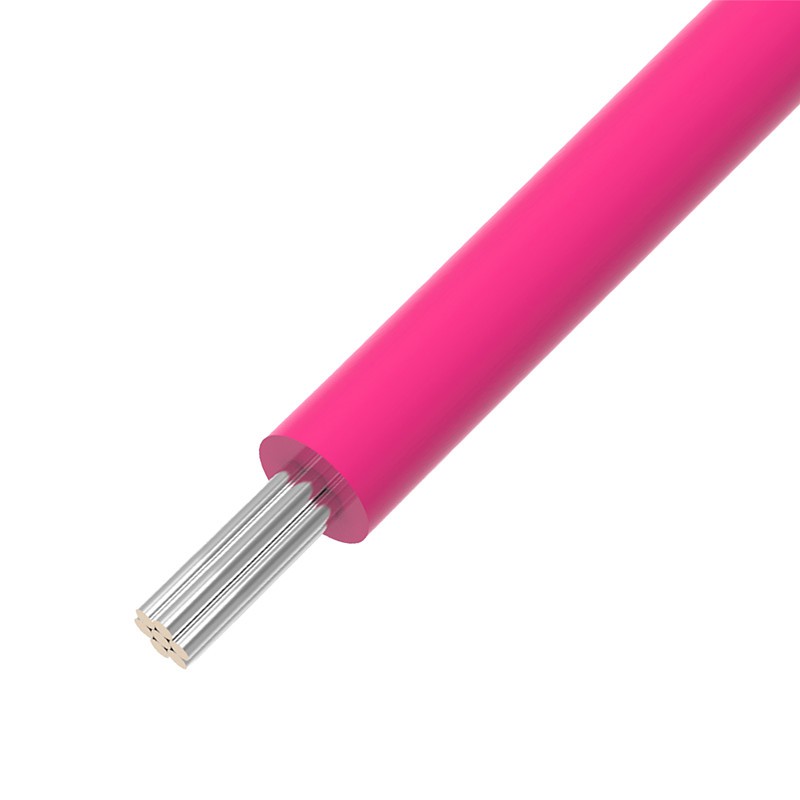
Reliable Energy Transmission: Electric cables provide a reliable means of transmitting electrical energy over long distances, making it possible to distribute electricity to remote areas.
Efficient Energy Transmission: Electric cables are highly efficient, losing only a small amount of energy as heat during the transmission process.
Flexibility: Electric cables come in a variety of sizes and shapes, making them suitable for a wide range of applications, from small household appliances to large industrial machines.
Safety
Electric cables are designed to meet strict safety standards, providing protection against electrical shock, fire, and other hazards.
Cost-Effective
Electric cables are relatively low-cost components that provide a high-quality and reliable connection, making them a cost-effective solution for many applications.
High Capacity
Modern electric cables can transmit large amounts of electrical energy, making them suitable for applications that require high power levels.
Versatility
Electric cables can be used for a wide range of applications, from powering lights and appliances to transmitting data and signals.
Types of Insulation Used in Electric Cables
|
Material |
Description |
|
PVC (Polyvinyl Chloride) |
Resistant to flame, moisture, and abrasion. |
|
PE (Polyethylene) |
Used for high-speed transmission and low capacitance. |
|
Neoprene |
Resistant to oils and solvents. |
|
TPR (Thermoplastic Rubber) |
Resistant to heat and harsh weather conditions. |
|
FEP (Fluorinated Ethylene Propylene) |
High chemical resistance and excellent dielectric properties. |
Common Uses of Electrical Cable
Residential Electrical Wiring
The most familiar use of power cables is in home wiring systems. Low voltage cables connect electrical panels to switches, sockets, and lighting fixtures. These cables are essential for powering refrigerators, televisions, computers, and everyday household appliances. Safety features such as flame-retardant sheaths and insulation ensure that residential power cables minimize fire risks while maintaining durability.
Powering Household Appliances
Everyday appliances like washing machines, microwaves, air conditioners, and water heaters rely on flexible electrical power cables. These cables are designed to withstand frequent bending and temperature fluctuations. Without reliable power cables, the efficiency and longevity of household appliances would be significantly compromised.
Office Buildings and Commercial Spaces
In commercial spaces, power cables form the backbone of electrical systems that drive computers, printers, elevators, HVAC systems, and lighting. Offices rely on structured cabling to ensure uninterrupted power supply, while fire-resistant and low smoke halogen-free (LSHF) cables are commonly used to enhance workplace safety.
Industrial Applications and Machinery
Industrial environments demand heavy-duty power cables capable of withstanding mechanical stress, high temperatures, and chemical exposure. Factories, mining sites, and production facilities use armored power cables and high voltage cables to keep heavy machinery running efficiently. These cables are crucial for reducing downtime and ensuring smooth industrial operations.
Transportation Systems
Power cables are indispensable in transportation infrastructure. They power lighting systems in railways, signaling in subways, and even control panels in airports. In the automotive industry, specialized cables ensure the operation of electric vehicles (EVs), where high-performance copper cables enable fast and safe charging.
Renewable Energy Projects
With the growing demand for clean energy, renewable energy power cables are widely used in solar farms and wind turbine installations. These cables are built to withstand outdoor conditions, UV exposure, and long-term mechanical stress. Power cables connect solar panels to inverters and help transport energy from wind farms to the grid, making them key players in the global energy transition.
Data Centers and IT Infrastructure
Behind the digital world lies a network of power cables that ensure servers and IT equipment operate without interruption. Data centers depend on low voltage power cables with excellent shielding to minimize electromagnetic interference. Proper cable management not only improves efficiency but also reduces the risk of overheating and downtime.
Healthcare and Medical Equipment
Hospitals and clinics depend on high-quality power cables to supply energy to life-saving machines such as MRI scanners, ventilators, and monitoring systems. The reliability of these cables is critical, as any failure could compromise patient care. In healthcare facilities, low smoke, flame-retardant cables are often chosen to ensure safety in emergency situations.
Outdoor Lighting and Street Infrastructure
From streetlights to traffic signals, power cables keep cities functional and safe. Outdoor applications often require armored or weather-resistant power cables that can endure extreme conditions such as heavy rainfall, UV radiation, and ground movement. These cables play a central role in urban infrastructure development.
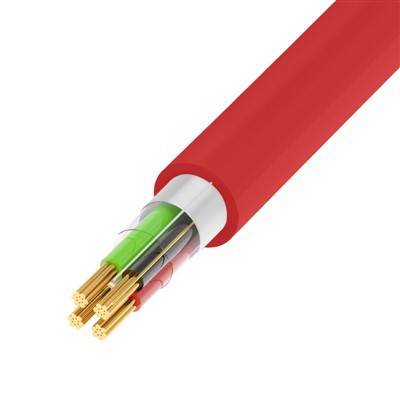
Common Cable Components

Conductors
Typically made from copper or aluminum, conductors carry the electric current or signal.
Insulation
Insulates the conductors, preventing short circuits and ensuring safety.
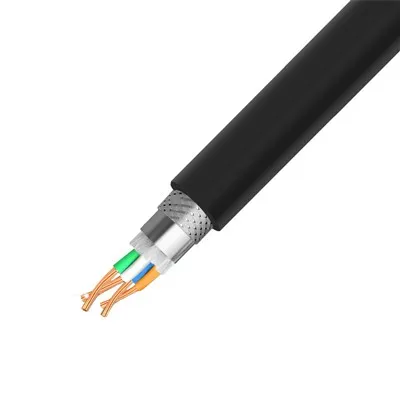
Shielding
Reduces electromagnetic interference (EMI) and protects the signal integrity.
Jacketing
The outer layer that protects the cable from physical damage, environmental factors, and chemicals.

Packing Details
We will packing by professional export packing,safety against breakage, finally into the wooden cases/ carton/pallet or customized package.
Delivery Details
We can deliver by SEA,air,rail transportation,the China-Europe Railway Express etc.
TNT, DHL,UPS, FEDEX, EMS,S.F EXPRESS etc.
we are here for you
FAQ
We are one of the most reliable electrical cable manufacturers and suppliers in China since 1997. With abundant experience, we warmly welcome you to buy bulk customized electrical cable made in China here from our factory. Welcome to view our website for more information.
comms cable, electrical cable, Electrical Cable Solution-
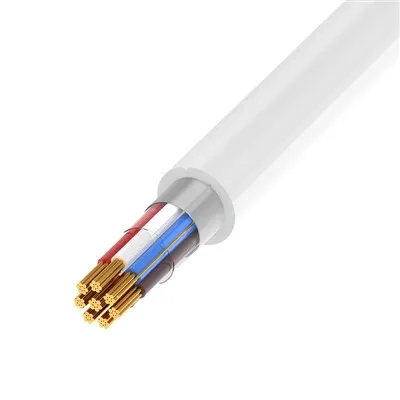
![UL1424 Fire Alarm Cable]() UL1424 Fire Alarm CableCables primarily used in circuits of emergency lighting, fire observation, signal - sensing sensor systems, supply...read more
UL1424 Fire Alarm CableCables primarily used in circuits of emergency lighting, fire observation, signal - sensing sensor systems, supply...read more -
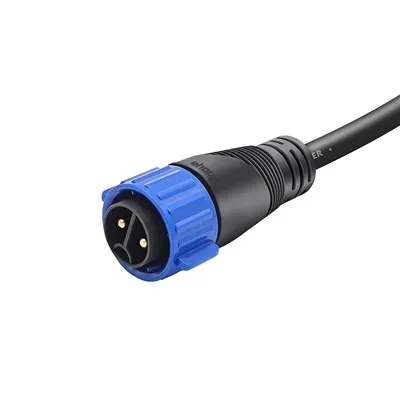
![Waterproof Connector Solution]() Waterproof Connector SolutionLinoya Waterproof Connectors provide IP65-68 protection for harsh environments. With 2-8 pins, 2-16A rating, and...read more
Waterproof Connector SolutionLinoya Waterproof Connectors provide IP65-68 protection for harsh environments. With 2-8 pins, 2-16A rating, and...read more -
![Rubber Cable Solution]() Rubber Cable SolutionLinoya specializes in the R&D and production of high-quality rubber cables, compliant with international electrical...read more
Rubber Cable SolutionLinoya specializes in the R&D and production of high-quality rubber cables, compliant with international electrical...read more -
![Fieldbus Cable Solution]() Fieldbus Cable SolutionOur Fieldbus Cable is engineered for high-performance industrial networks, ensuring seamless data communication in...read more
Fieldbus Cable SolutionOur Fieldbus Cable is engineered for high-performance industrial networks, ensuring seamless data communication in...read more -
![Electrical Cable Solution]() Electrical Cable SolutionOur electrical cables provide safe and efficient power transmission for industrial, commercial, and residential...read more
Electrical Cable SolutionOur electrical cables provide safe and efficient power transmission for industrial, commercial, and residential...read more -
![Alarm Cable Solution]() Alarm Cable SolutionOur alarm cables are designed for fire alarm, security, and emergency systems. Featuring high-quality copper...read more
Alarm Cable SolutionOur alarm cables are designed for fire alarm, security, and emergency systems. Featuring high-quality copper...read more